Sustainability
At Gorilla Highlands Coffee, sustainability is not a side project. It is part of how we grow, source, serve, and build a better future for communities and the landscapes that sustain them.
Sustainability Pillar
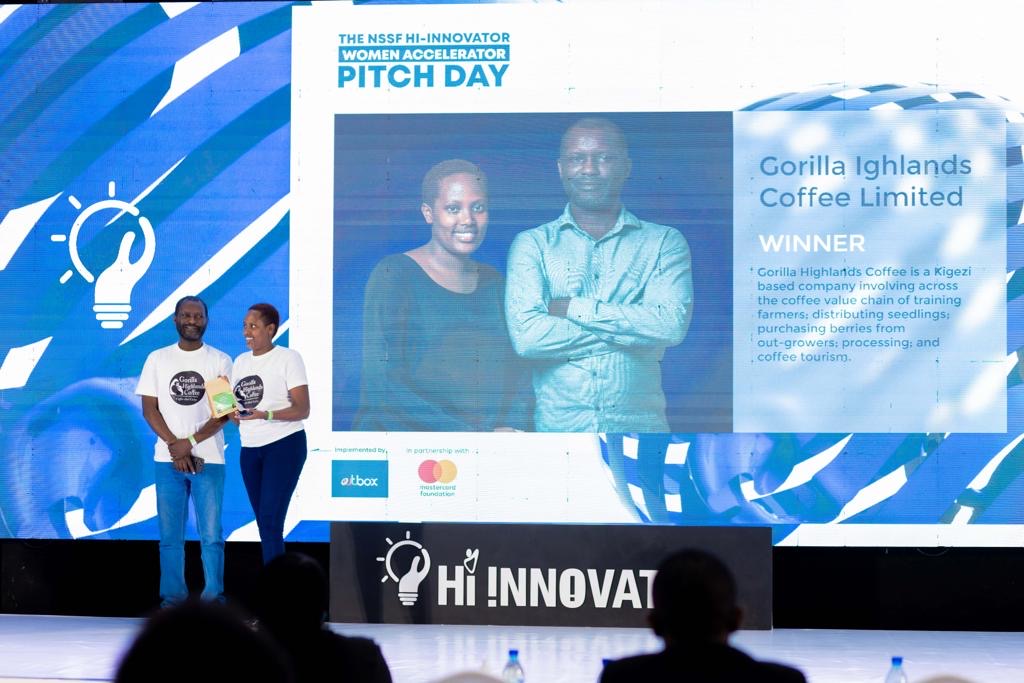
House of Bwindi is a women-focused empowerment initiative connected to Gorilla Highlands Coffee’s wider sustainability work. It supports women—especially within coffee-growing communities—through skills development, creativity, and income-generating opportunities in fashion and design.
As part of the broader “coffee that cares” mission, it reflects Gorilla Highlands Coffee’s commitment not only to better coffee, but also to stronger livelihoods, dignity, and long-term community wellbeing.
Health & Wellbeing
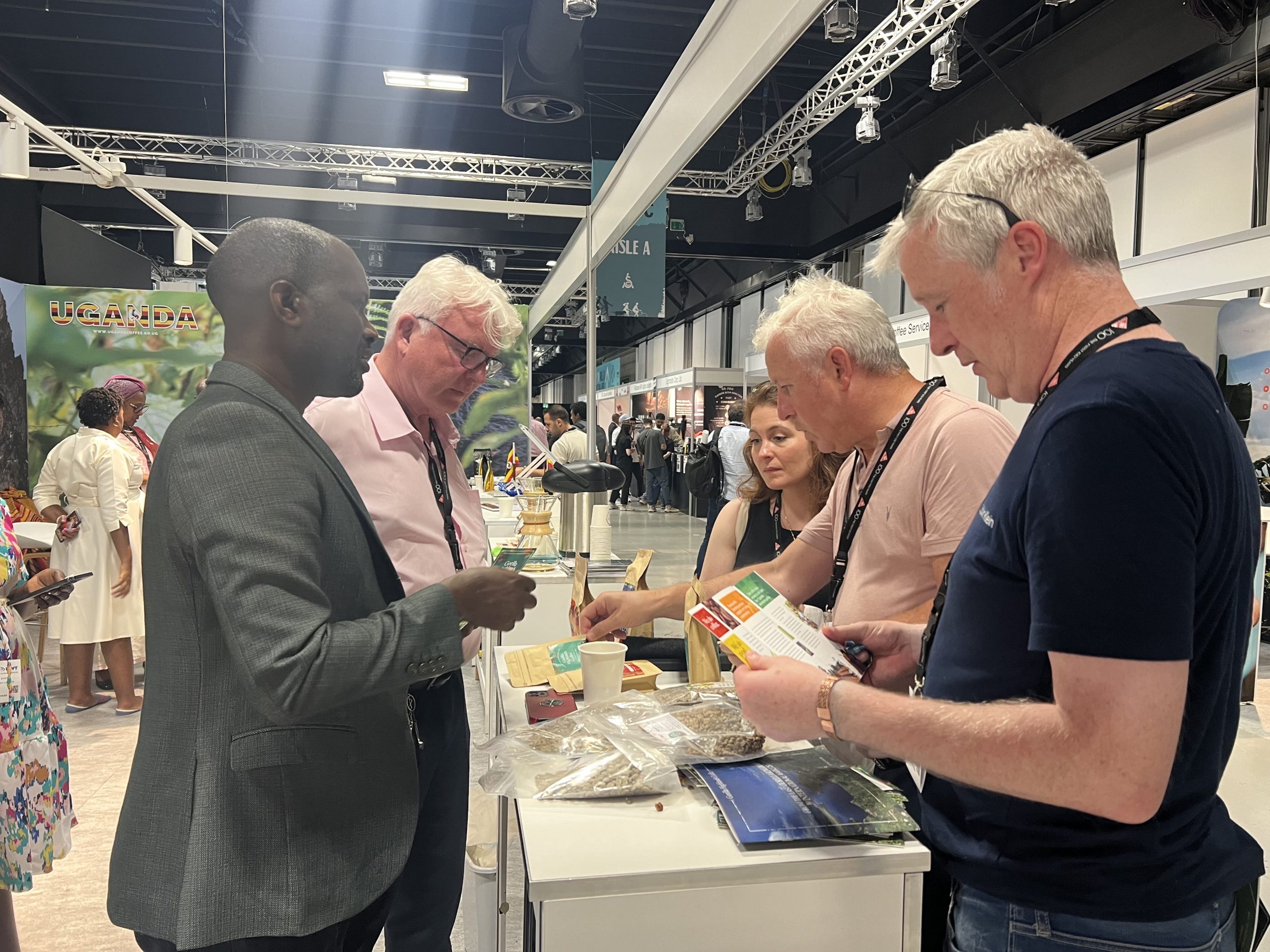
Our Kawacare Health Project was launched in early 2020 to respond to urgent health concerns in coffee-producing communities, especially hypertension, diabetes, and maternal health. It is run in close collaboration with Kisiizi Hospital and supported together with neighbouring communities in Rwanda and the Democratic Republic of Congo.
Since its early years, Gorilla Highlands Coffee has worked with hospitals to improve life in coffee communities more sustainably. The company has contributed 5 million Ugandan shillings to these efforts, helping more than 1,000 villagers through health services and water source improvements.
The project supports prenatal and postnatal care, breastfeeding support, family planning counselling and supplies, HIV/AIDS testing, malaria treatment for pregnant women, and broader health education for communities that have limited access to affordable healthcare.
Education
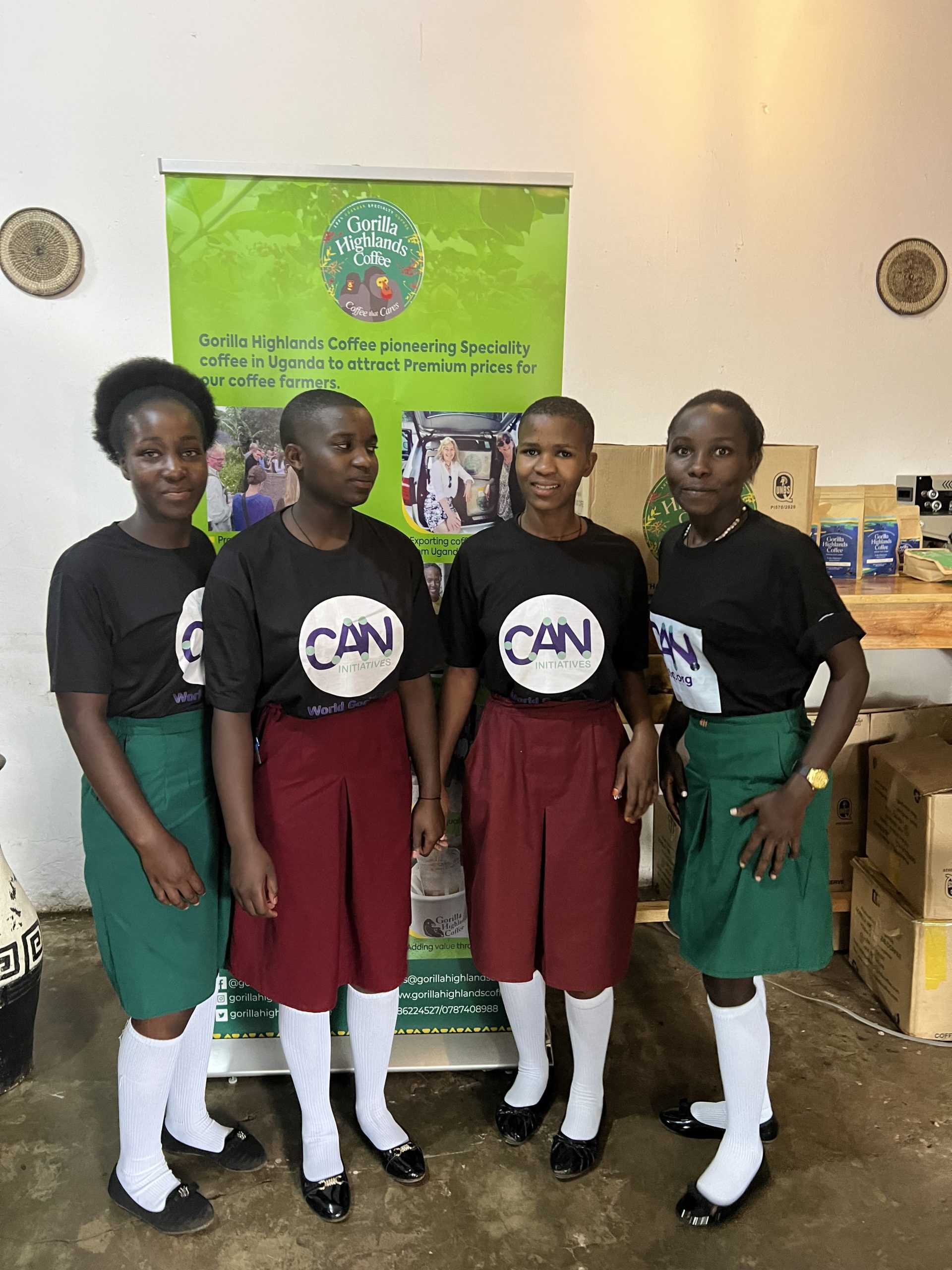
We are committed to helping children in rural Uganda gain access to education through our school coffee clubs. The pilot project at St. Gertrudes Kisoro was launched in May 2019 as a practical, long-term response to the education crisis affecting many families.
Through the coffee clubs, Gorilla Highlands Coffee provides coffee seedlings to school groups, coordinates agricultural training, and supports the care of the seedlings. At harvest time, the proceeds are used to help pay students’ school fees. The programme also supports children with uniforms, books, shoes, pens, and other school supplies.
UNESCO has estimated Uganda’s primary school dropout rate at more than 68%, and many rural families cannot afford the basic requirements that keep children in school. Our coffee clubs are designed to create a more sustainable alternative that connects education, dignity, and local opportunity.
Conservation
Climate change is a serious threat to the gorillas of Kigezi. Rising temperatures, shrinking forests, hotter and drier conditions, and more frequent floods and landslides are making it harder for gorillas to find food, shelter, and safe habitat.
The Kigezi region is one of the most biodiverse places on Earth and is home to more than half of the world’s critically endangered mountain gorillas. Climate change, poaching, habitat loss, and expanding farmland are placing this ecosystem under growing pressure.
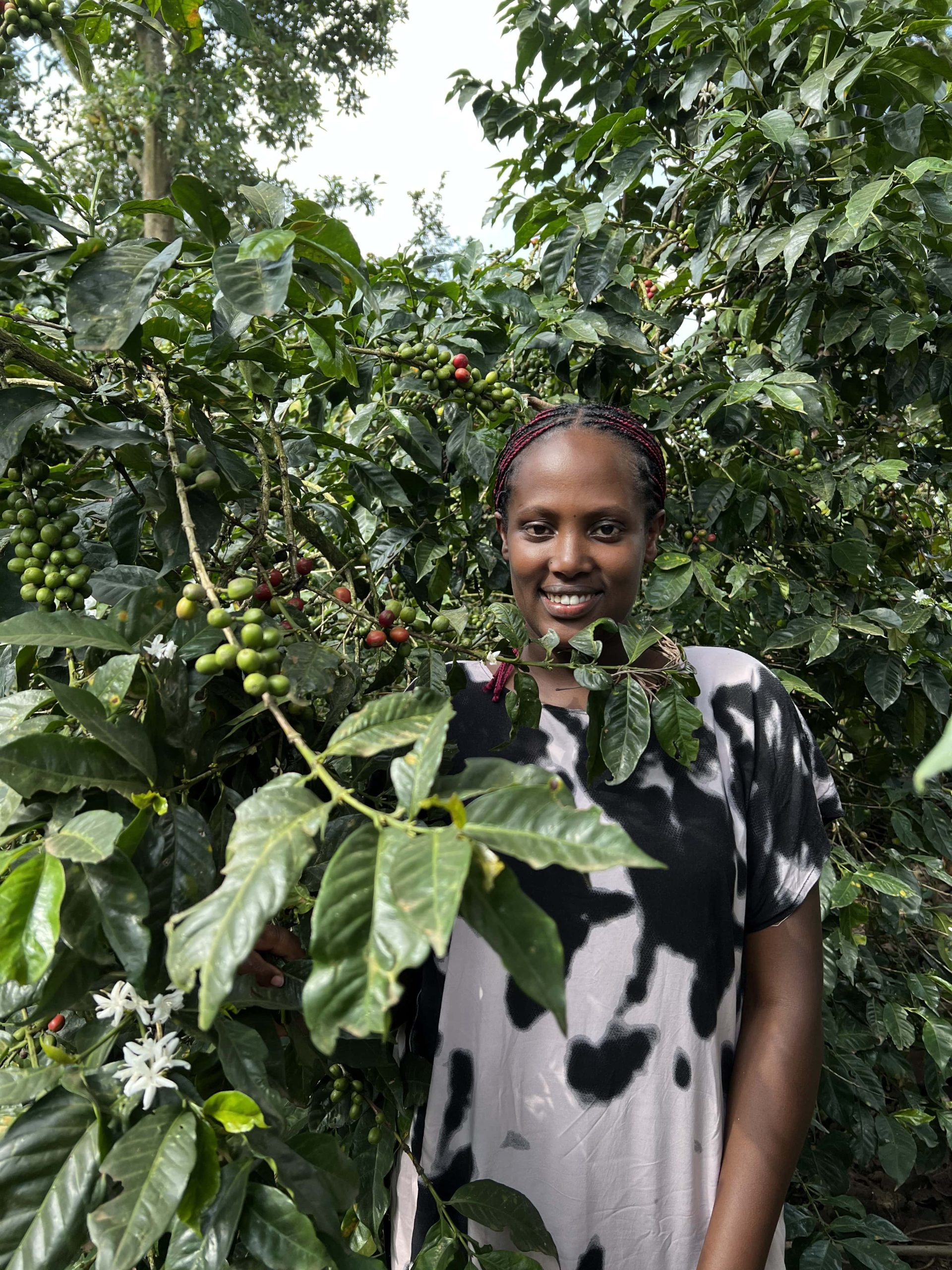
Biodiversity conservation is essential not only for gorillas, but for people as well. Healthy ecosystems support clean water, clean air, pollination, and climate resilience. The document also highlights ethically sourced specialty coffee as a practical way to support gorilla sanctuaries and local livelihoods at the same time. When people buy Gorilla Highlands Coffee, they help support conservation and better wages for small family farms.